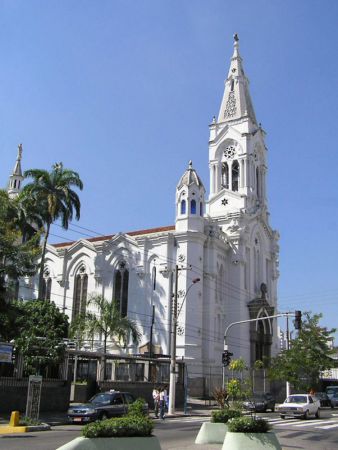
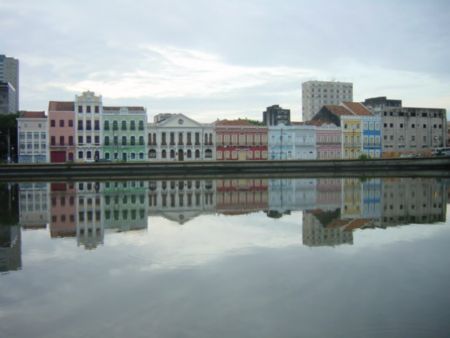
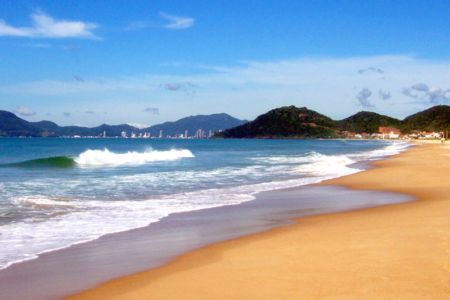
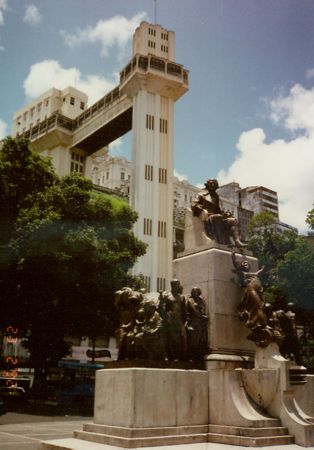
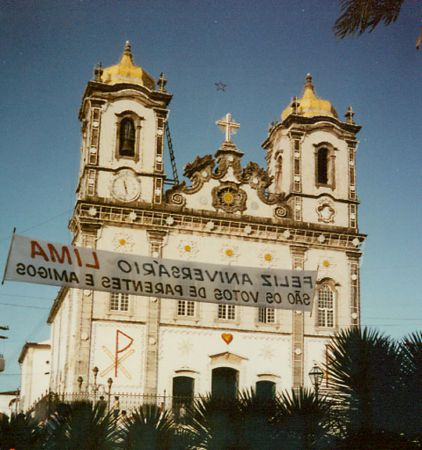
Tourism in Brazil is a growing sector and key to the economy of several regions of the country. The country had 5. 1 million visitors in 2010, ranking in terms of the international tourist arrivals as the second main destination in South America, and third in Latin America after Mexico and Argentina. Revenues from international tourists reached US$5. 9 billion in 2010, not only recovering from the 2008-2009 economic crisis, but reaching its historical highest.
The culture of Brazil presents a very diverse nature reflecting an ethnic and cultural mixing occurred in the colonial period involving mostly Native Americans, Portuguese and Africans. In the late 19th and early 20th centuries Italian, German, Spanish, Arab and Japanese immigrants settled in Brazil and played an important role in its culture, creating a multicultural and multiethnic society.
The climate in Brasilia Brazil is mild and comfortable any time of year. It is not hot like most of Brazil, and there is no winter season with heavy rainfall. The climate in Brasilia Brazil is one of the things that makes it a great destination.
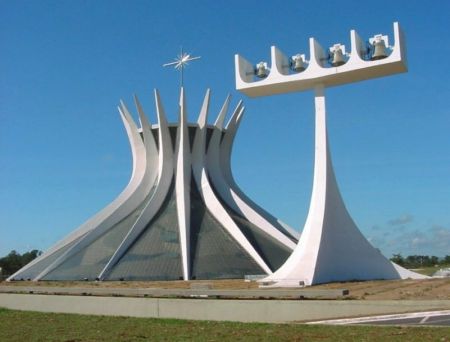
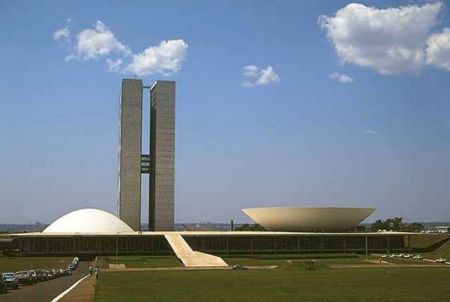
Brasília – stolica Brazylii (od 21 kwietnia 1960), tworząca odrębny dystrykt federalny. Położona jest na wysokości ok. 1000 m n. p. m., na rozległym płaskowyżu Wyżyny Brazylijskiej, około 1000 km od wybrzeża morskiego i starej stolicy Rio de Janeiro. Miasto zostało wpisane na listę światowego dziedzictwa UNESCO.
Brasília spełnia głównie funkcje administracyjne, ale jest również znaczącym ośrodkiem naukowym (uniwersytet), kulturalnym, komunikacyjnym (międzynarodowy port lotniczy, metro od 1992) i turystycznym.
W Brasílii istnieje 114 szkół średnich uznanych przez Ministerstwo Edukacji.
Description above from the Wikipedia, licensed under CC-BY-SA full list of contributors
here.