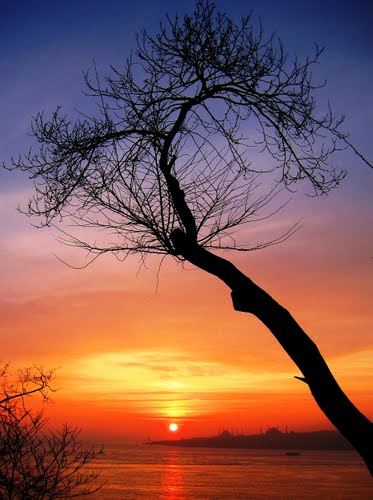
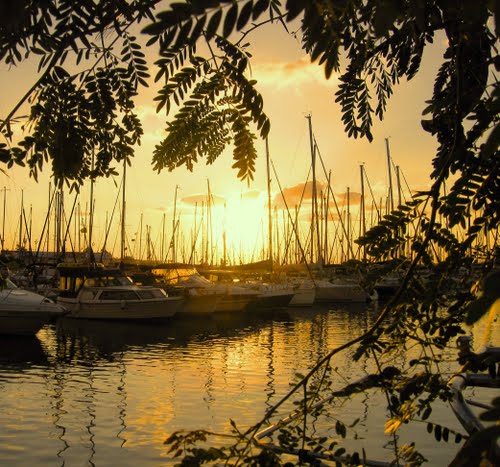
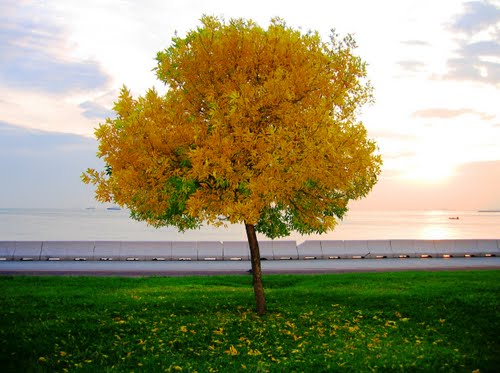
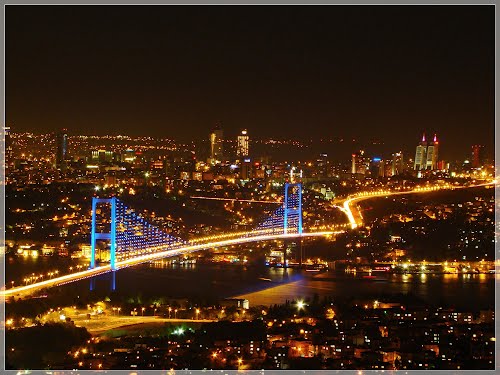
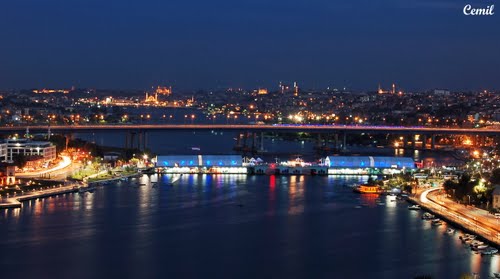
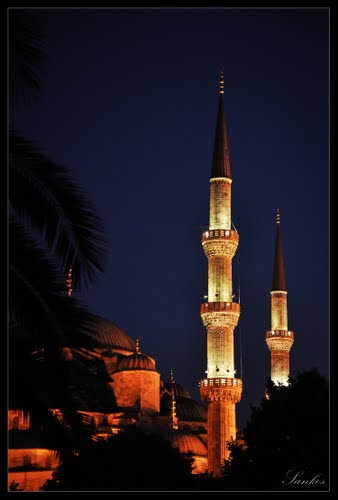
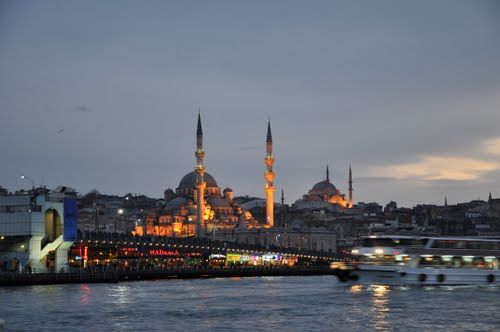
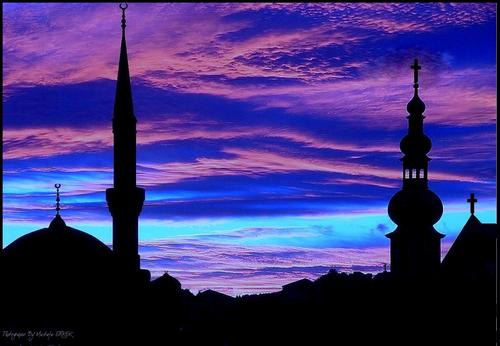
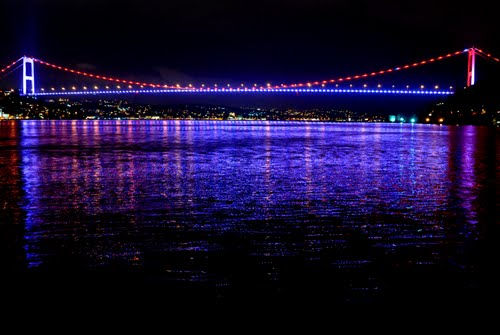
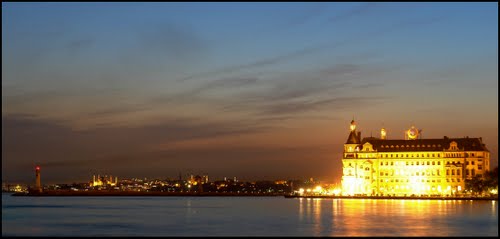
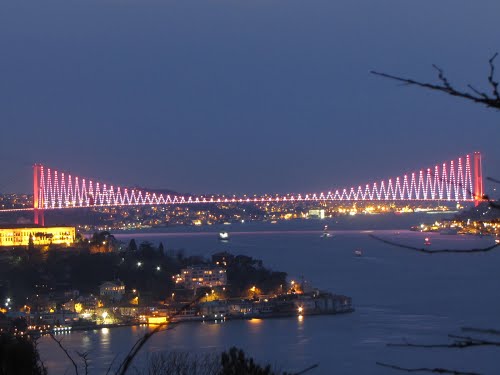
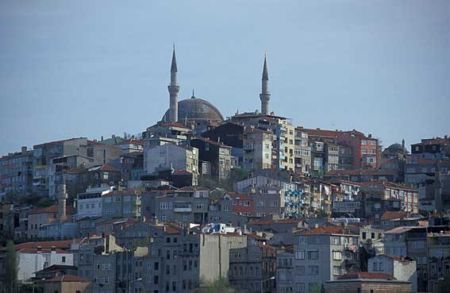
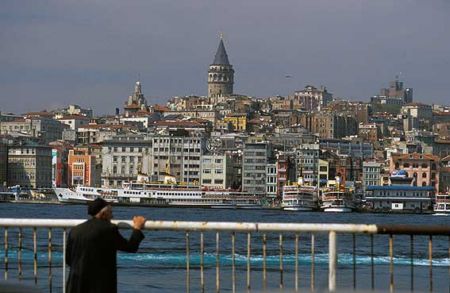
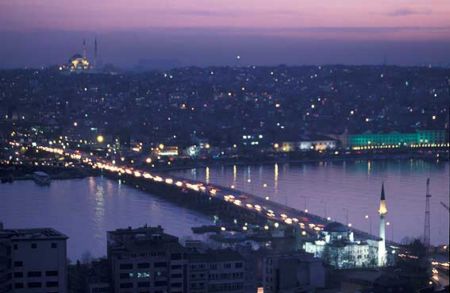
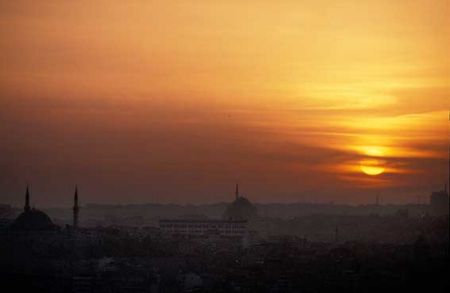
Istanbul (Turkish: İstanbul) is Turkey's most populous city, and its cultural and financial center. Located on both sides of the Bosphorus, the narrow strait between the Black Sea and the Marmara Sea, Istanbul bridges Asia and Europe both physically and culturally. Istanbul's population is estimated to be between 12 and 19 million people, making it also one of the largest in Europe and the world.
Istanbul was one of three European Capitals of Culture in 2010
Summer is generally hot with averages around 27ºC during the day and 18ºC at night. High relative humidity levels and the ‘concrete-island effect’ only make things worse. Expect temperatures of up to 35° C for the hottest days of the year. Summer is also the driest season, but it does infrequently rain. Showers tend to last for 15-30 minutes with the sun usually reappearing again on the same day. Flash floods are a common occurrence after heavy rainfalls (especially during summer), due to the city's hilly topography and inadequate sewage systems.
Winter is cold and wet, averaging 2ºC at night and 7ºC during the day. Although rarely below freezing during the day, high relative humidity levels and the wind chill makes it feel bitterly cold and very unpleasant.
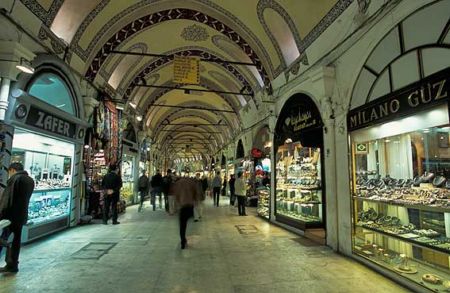
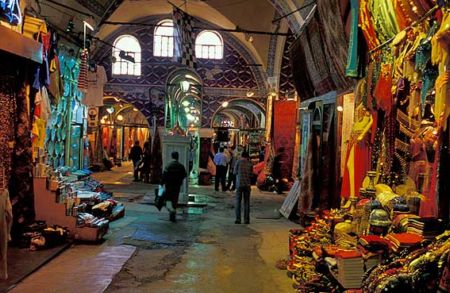
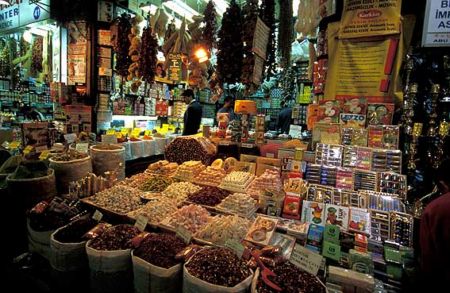
Connecting east and west, the will to control the major trading routes was the reason why Istanbul was founded in the first place, so shopping should definitely not be overlooked in your Istanbul experience.
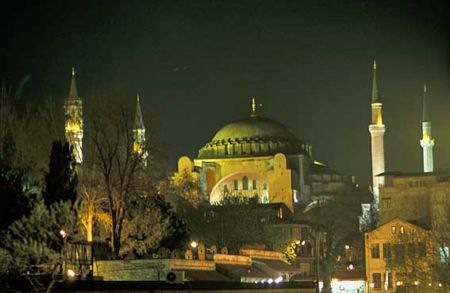
The currency used in Istanbul is the Turkish Lira (TL) though the euro and US dollar are also accepted at places frequented by tourists (although certain tourist attractions such as the Hagia Sophia only accept liras). Currency exchanges (döviz bürosu) and banks are plentiful in Istanbul and offer extremely competitive exchange rates with no commission charged. If you are planning to visit Istanbul, bring hard foreign currency and exchange them after you arrive, preferably at a bank or a currency exchange
Beyoğlu is notoriously known for its night life; it's full of cafes and bars with live music. People from all classes and ethnicity can be found here.
Nişantaşı is the place for young entrepreneurs and artists, the prices are higher than Taksim.
Kadıköy also has a nightlife scene, serving mostly locals of this part of the city. It is usually has more easy-going style of nightlife, usually with local pubs and wine houses and traditional meyhanes. If you are not staying on that side of the city, it may not worth the trouble to make an inter-continental trip just to have a drink, but drop by if you are around and thirsty.
Nightclubs - While there are night clubs all over the city, two of the hottest clubs of Istanbul are in Ortaköy.
:Para la provincia del mismo nombre véase Provincia de Estambul.
Estambul (en turco: İstanbul, AFI:) es la ciudad más grande de Turquía y de Europa. La antigua Bizancio y luego Constantinopla en la época del Imperio romano, es actualmente una de las más bellas y pobladas de Europa, siendo una de las 3 ciudades transcontinentales que se sitúan entre Europa y Asia (las otras 2 son Atyrau y Orenburg).
Con 8. 803. 468 habitantes en la ciudad y 10. 018. 735 en el área metropolitana (censo de 2000). Según las últimas estimaciones de la oficina del censo del Ayuntamiento de Estambul y el Instituto de Estadísticas turco (2009) la población de esta megalópolis se ha incrementado hasta llegar a los 14. 573. 836 habitantes. La mayoría de la población es de confesión musulmana, existiendo gran número de laicos, así como minorías de cristianos (68. 000) y de hebreos (22. 000). La ciudad de Estambul se halla localizada en las coordenadas geográficas.
Es también la capital administrativa de la provincia de Estambul (de la que cubre 27 distritos), nombre con el que se la llamó generalmente en Occidente hasta 1930.
El nombre oficial de İstanbul fue impuesto el 28 de marzo de 1930.
Fue sucesivamente la capital del Imperio Romano de Oriente, del Imperio Otomano y de la luego llamada República de Turquía hasta 1923.
Aunque desde 1923 la capital de Turquía es Ankara, Estambul sigue siendo una ciudad que tiene un papel central en la industria, el comercio y la cultura de Turquía. Alberga más de una docena de universidades. Es sede del Patriarcado Ecuménico de Constantinopla, cabeza de la Iglesia Ortodoxa.
Las zonas históricas de Estambul fueron declaradas Patrimonio de la Humanidad por la Unesco en el año 1985, por sus importantes monumentos y restos históricos.
Description above from the Wikipedia, licensed under CC-BY-SA full list of contributors
here.