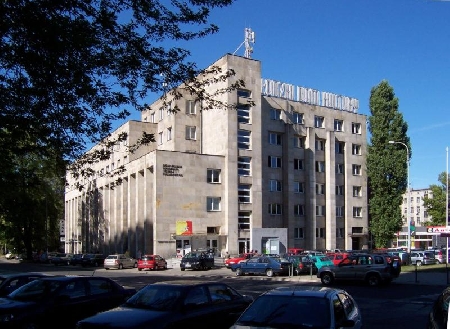
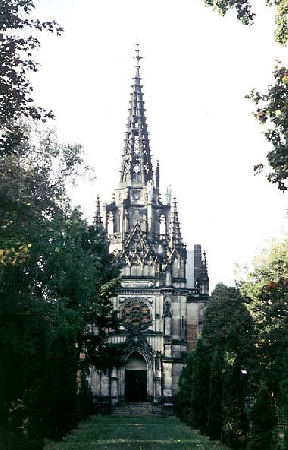
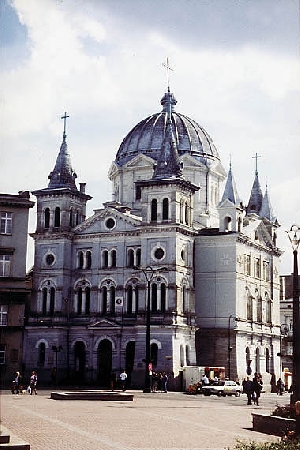
Lodz is the third largest urban centre in Poland with a population of about 742, 000. Although the history of Lodz goes back a long way (it obtained city rights in the 15th century), its greatest development and later boom happened in the 19th century, when Lodz became a centre of the cloth industry.
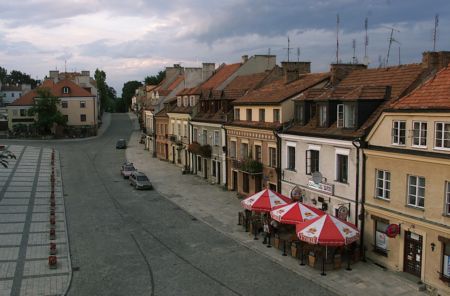
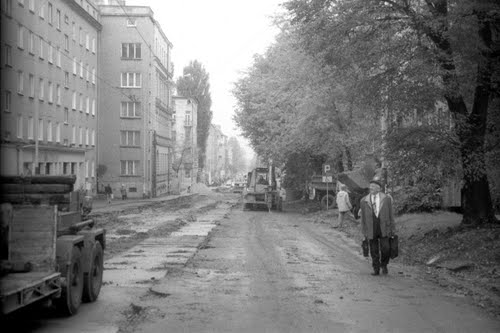
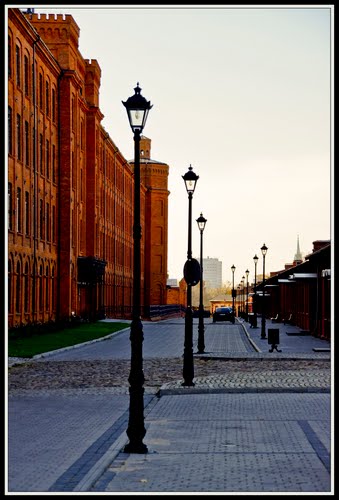
Since then, the town has struggled with many difficulties, contradictions and differences, which were vividly documented in the novel The Promised Land written by Polish Nobel Prize-winning author Wladyslaw Reymont. He portrayed the multinational society of Lodz, where Poles, Jews and Germans lived together, with the inhuman face of early Polish capitalism where the rich exploited the poor. The contrasts can still be seen in the architecture of the city, where luxurious mansions coexist with redbrick factories and old tenement houses.
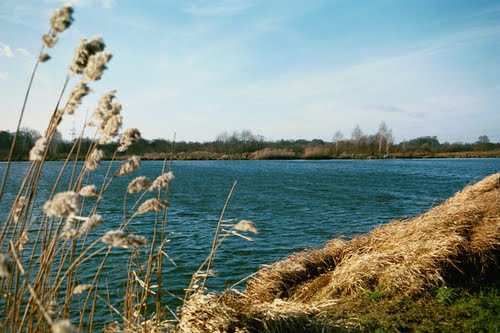
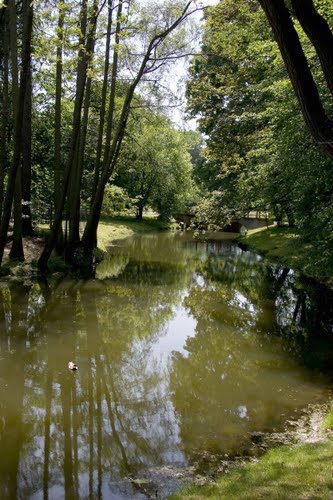
Lodz is located in the very centre of Poland, and still remains particularly favourable for the development of trade. The landscape can be described as being rather flat, as Lodz lies on the Central Poland Lowland area, and there are only few moraine hills on its outskirts to offset this. Although the city name means “boat” in Polish, there are no particularly large bodies of water or rivers nearby. Lodz lies on the border between the catchment areas of the Vistula and the Odra Rivers, so locally there are only some smaller rivers and brooks and these are usually hidden underground. Of course, there are still many diverse parks and woods nearby in which to commune with nature.
Lodz was once a small village that first appears in written records in 1332. In 1423 it was granted town rights, but it still remained a rather small and insubstantial town. It was the property of Kuiavian bishops until the end of the 18th century, when Lodz passed to Prussia as a result of the second partition of Poland. After spending about ten years within the borders of the independent Duchy of Warsaw, the city joined the Russian-controlled Polish Kingdom.
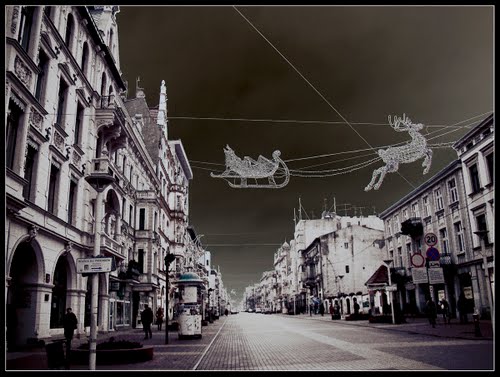
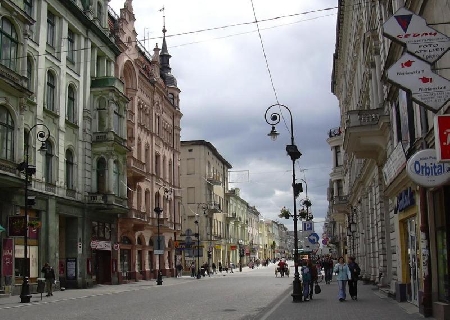
Shopping in Łódź centres on three main areas of the city: the traditional thoroughfare of Piotrkowska, the modern shopping centre in the south of the city centre (Galeria Łódzka), and the shopping heaven that is the Manufaktura complex.
Some of the streets running parallel to Piotrkowska, including ul. Sienkiewicza, are good for specialist shops, such as antiques and paintings. Indeed, whisper it in Warsaw, but Łódź may in fact be Poland’s top shopping destination.
Лодзь (Łódź — «лодка», «ладья») — третий по величине город Польши. Расположен в центре страны, в 120 километрах к юго-западу от Варшавы и является центром польской текстильной и электронной промышленности. Основан в XIII веке, статус города с 1423 года.
Лодзь — центр и крупнейший город Лодзинского воеводства. Население города составляет 770 тысяч человек и постепенно сокращается (1988 год — 854 тыс.). Ещё в 1990-х годах Лодзь была вторым по численности населения городом Польши после Варшавы, однако в 2000-е годы уступил это место Кракову.
В 1940—1944 годах Лодзь носила имя Лицманштадт в честь немецкого генерала Первой мировой войны Карла Лицмана. С 1940 по 1944 год в городе находилось одно из крупнейших еврейских гетто.
Description above from the Wikipedia, licensed under CC-BY-SA full list of contributors
here.