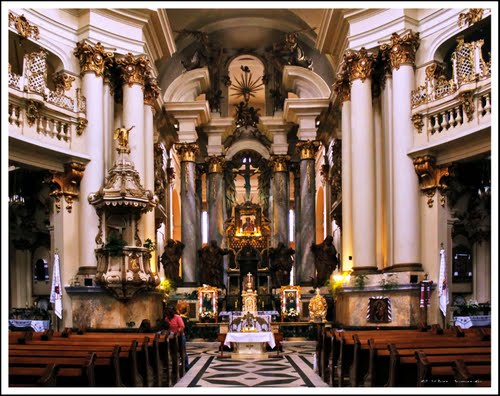
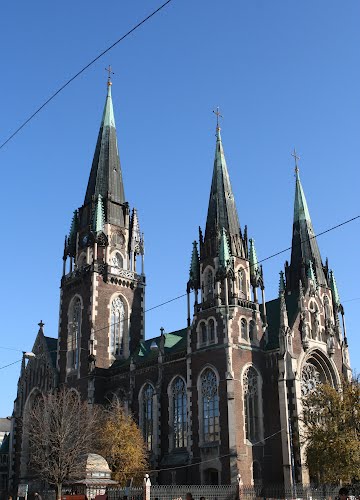
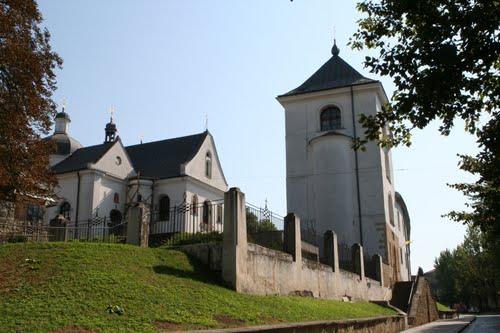
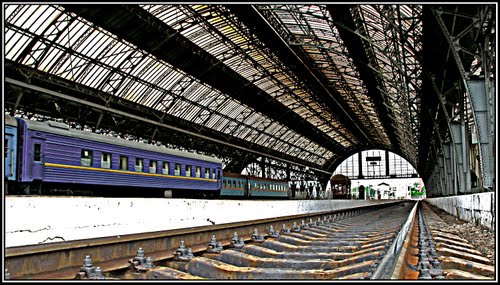
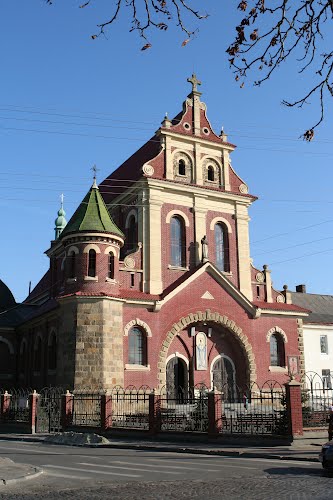
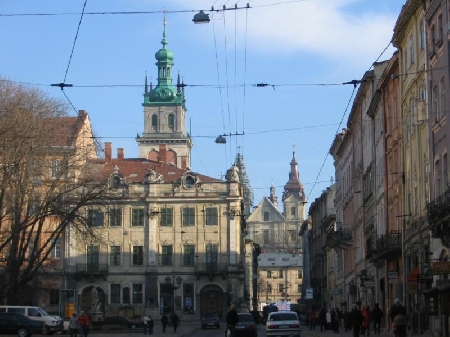
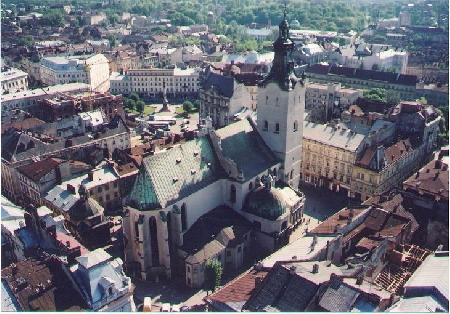
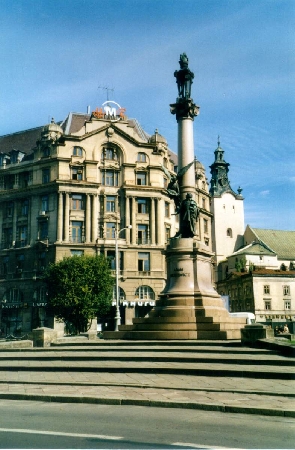
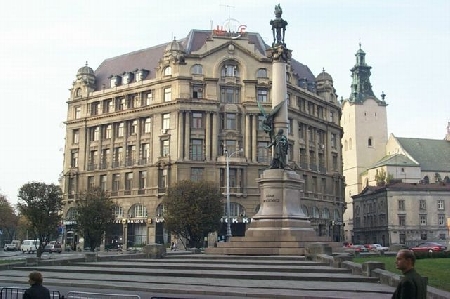
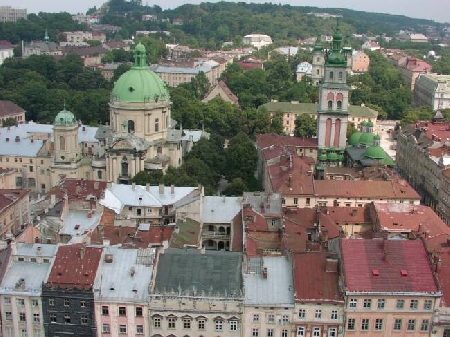
A city of sleeping lions which has changed so many names throughout it's long history today remains one of the most charming and mysterious beauties of Eastern Europe. It is the only Ukrainian "Ensemble of the Historic Centre" included in the UNESCO World Heritage List.
Lviv city tours, English-speaking guides and interpreters
If you are a new visitor to Lvov, we advise to take a guided city tour. During an easy walk you will see the main attractions of Lvov city and you will get a touch of its fascinating history. You will also get a fast introduction to the best pubs, cafes and restaurants, where to shop for souvenirs, or where to buy opera or train tickets.
Lvivian luminaries past and present include the great poet Ivan Franko as well as the world's finest science fiction writer Stanislaw Lem. Polish, Ukrainian, Jewish, Armenian, German, Italian and even Scottish names all came to prominence in Lviv's cosmopolitan history. On a rather more raunchy note, Lviv can lay claim to having brought one Leopold von Sacher-Masoch (he of 'Venus in Furs' fame) into this potty world of ours. The wag who inspired the word 'masochism' grew up in Lviv, where his father was the chief of the Habsburg Police - plenty for Freudian analysts there then. . .
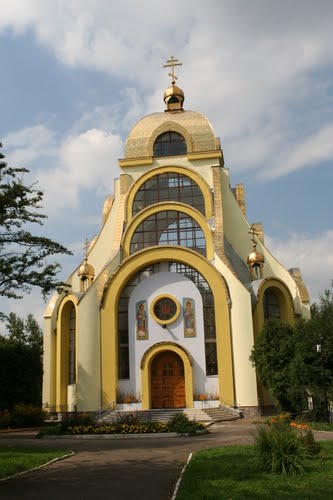
Lviv may have 'been in the wars' both literally and proverbially, but the sense of the city as a cultural mecca has not been lost. Exuberant churches, a sublime opera house and richly adorned museums and galleries will raise the eyebrows of anyone who thought they already knew Europe back to front. Not everything will be in working order, as you'd expect after fifty years in the Soviet strait-jacket, but life would be pretty dull if every European city was a Starbucks carbon-copy of the next. Life in Lviv is full of bonkers surprises but that's half the joy of the place. . .
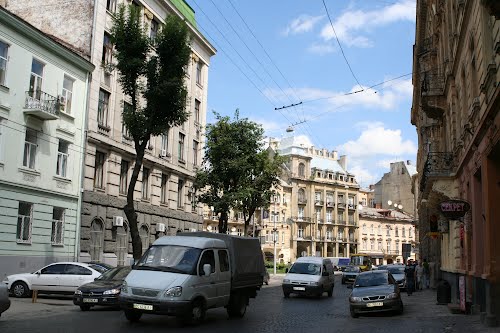
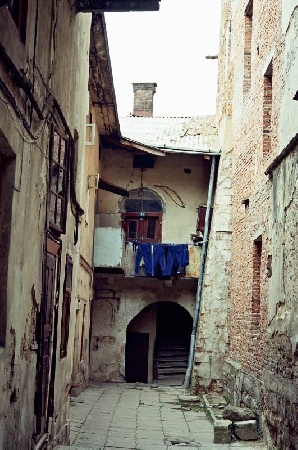
Lviv may have recently edge out top Ukrainian cities like Kiev and Kharkov to be named ‘the best Ukrainian city to live in’, but the city’s rich history and its cultural-connection have always made it a great outing for vacationing crowds. Talking of Lviv sights, the first that comes to mind is certainly the historic Old Town (that was included in the UNESCO World Heritage List in 1998) but Lviv has much more for you… hosts of churches, museums, opera-halls and other landmarks built in different architectural styles (Art Nouveau, Baroque, Classic, Renaissance or other styles) that are no less than works of art. If you are one with a penchant for viewing nicely built historic buildings and ruins, guide your steps to Lviv and it will definitely mean an awarding-experience. You will fall in love with the un-Sovietness of Lviv.
Shopping in Lviv generally means picking up some local specialties, whether that be food or drink.
You can buy excellent vodka here, but even here, don’t buy the cheapest you find. Be sure to pick up some kvas, which is the most famous drink in the Ukraine. It takes more than 70 days to make, and people do make their own, but you can purchase kvas in just about any store that sells beverages and any market where you purchase local goodies and foodstuffs.
There are a number of department stores here that offer clothes, handbags and shoes and other interesting items you might want to pick up and bring home, but many visitors say the best place for interesting finds is a local open air market, where you can buy interesting food and drink. Many specialties are found here, along with the usual produce items. If the price seems unfair, be sure to try and haggle. Most prices are negotiable and yes, even tourists get to haggle too.
You need not speak Ukrainian to shop in Lviv; it’s best to speak your native language and work from there.
Lwów nie jest drogim miastem, ale pieniądze te mogą szybko odejść, jeśli nie zwraca uwagi, na przykład, jest droga do wyjścia w nocy, gdzie można łatwo wyrzucać pieniądze na napoje i przekąski w pubie na przykład. Piwo kosztuje około 15 do 30 Grivnas, 10 Grivnas do soku, ale butelkę piwa w supermarkecie to tylko 3, 60 Grivnas. Wszystko zależy od tego jak i gdzie wydawać pieniądze. 1 tramwajowy bilet kosztuje 1 Grivnas, tak jest bardzo tani, a przy tym bilecie można przejść od centrum miasta do głównego dworca kolejowego we Lwowie Zaliznitsniy. Jazdy autobusem kosztuje 1, 5 Grivnas. W rzeczywistości, są rzeczy, jak te, które możemy dostrzec, jak ceny na Ukrainie są niskie. Taksówka z centrum miasta na przedmieścia Lwowa na przejażdżkę 10 minut (mniej więcej 4 lub 5 km) na normalne taxi złapany na ulicy 25-30 Grivnias, ale jeśli używasz prywatną taksówką usługi, takie jak TAXI SOFIA, cena nie jest większa niż 15 lub 16 Grivnas. Cena, jaką będzie kosztować normalne taksówką z dworca kolejowego do centrum można przejść od 30 do 40 Grivnas, ale prywatna firma nie kosztuje więcej niż 20 Grivnas.
Lwów (d. nazwa form. Królewskie Stołeczne Miasto Lwów), ukr. Львів (Lwiw), ros. Львов (Lwow), niem. Lemberg, łac. Leopolis, jidysz לעמבעריק (Lemberik), orm. Լվով (Lwow) – największe miasto zachodniej Ukrainy, stolica obwodu lwowskiego.
Lwów znajduje się na pograniczu wschodniego Roztocza (Roztocze Lwowskie) i Wyżyny Podolskiej, nad Pełtwią i stanowi ważny ośrodek przemysłowy, lotniczy, kolejowy oraz drogowy.
Do 1939 roku była to stolica znajdującego się w Polsce województwa lwowskiego, wcześniej Lwów znajdował się w województwie ruskim Korony Królestwa Polskiego. Administracyjnie, jako stolica wspomnianych województw, Lwów stanowił jedno z głównych miast I i II Rzeczypospolitej, a w okresie zaborów był jednym z najważniejszych ośrodków nauki, oświaty i kultury polskiej, oraz centrum politycznym i stolicą Galicji, a następnie Małopolski Wschodniej.
Lwów jako miasto wieloetniczne rozwijał się do wybuchu II wojny światowej w zgodnym współistnieniu wielu reprezentantów różnych narodowości, oprócz przeważającego elementu polskiego, Lwów zamieszkiwali: Żydzi, Ormianie, Niemcy, Ukraińcy, Rosjanie, Austriacy i in.
Działa tu Uniwersytet Lwowski (powstały w 1661 roku), Politechnika Lwowska (1844), Lwowska Galeria Sztuki (1897), Teatr Wielki (1900), Polski Teatr Ludowy (1958).
Znajduje się tu cenny zespół obiektów zabytkowych wpisany na listę światowego dziedzictwa UNESCO w 1998 roku.
Obecnie Lwów stanowi główny ośrodek nauki i kultury polskiej na Ukrainie.
Description above from the Wikipedia, licensed under CC-BY-SA full list of contributors
here.