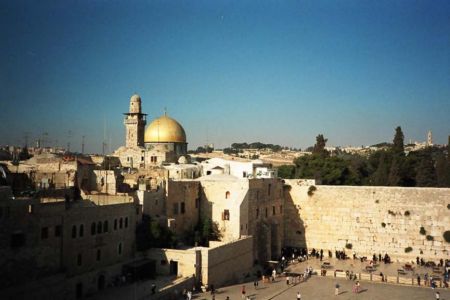
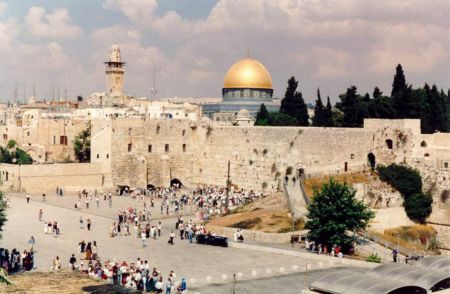
In 332 B. C. Jerusalem came under Greek rule and was increasingly Hellenised. The desecration of the Temple by Antiochus IV sparked off the Maccabean rising of 167 B. C. Under the Maccabees and the Hasmoneans the town expanded westward on to Mount Zion. In 63 B. C. it passed into Roman control, and in 37 B. C. Herod, an Idumaean, became king of the Jews. He rebuilt and embellished the Temple platform and equipped the city with palaces, a citadel, a theater, a hippodrome, an agora and other buildings on the Hellenistic and Roman model. After his death in 4 B. C. Jerusalem became the city of the high priests, under Roman procurators. From 41 to 44 it was ruled by Agrippa I, who extended the city northward, building the Third (North) Wall. In A. D. 70 Jerusalem was destroyed by Titus, to be rebuilt by Hadrian from 135 onwards under the name of Aelia Capitolina.
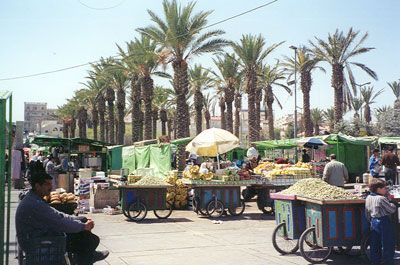
Immerse yourself in Jerusalem. Of course you can see the primary sights in a couple of days—some visitors claim to have done it in less!—but don't short-change yourself if you can help it. Take time to wander where the spirit takes you, to linger longer over a snack and people-watch, to follow the late Hebrew poet, Yehuda Amichai, "in the evening into the Old City / and. . . emerge from it pockets stuffed with images / and metaphors and well-constructed parables. . . " The poet struggled for breath in an atmosphere "saturated with prayers and dreams"; but the city's baggage of history and religion need not weigh you down. Decompress in the markets, the jewelry and art stores, the eateries and coffee shops and pubs of both the Old City and the newer areas.
Summer begins in mid to late April. They can be hot and dry, but the low humidity definitely makes it more bearable. The evenings are actually quite cold, and this mild weather continues till November, when winter rolls around. In December, January, and February, you can expect some rain and cooler temperatures (rarely will you freeze). When it’s not raining, the days are actually sunny and pleasant.
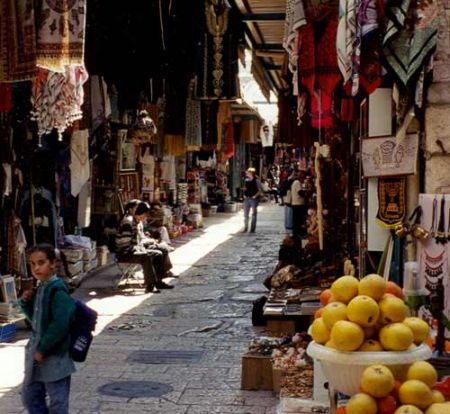
Jerusalem offers distinctive ideas for gifts—for yourself or others—from jewelry and art to traditional crafts, items of a religious nature, and souvenirs. The several shopping areas make it easy to plan expeditions. Prices are generally fixed in the city center and the Jewish Quarter of the Old City, though you can sometimes negotiate for significant discounts on expensive art and jewelry. Shopping in the Old City's colorful Arab bazaar, or souk (pronounced "shook" in Israel—rhymes with "book"), is fascinating but can be a trap for the unwary.
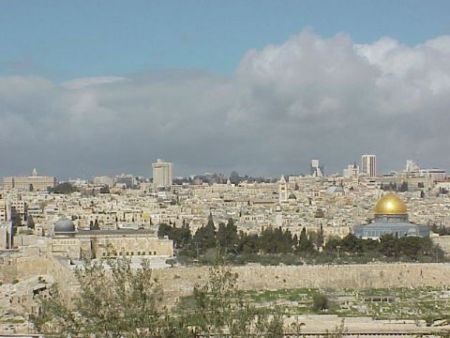
Jerusalén (en hebreo יְרוּשָׁלַיִם ; en árabe القُدس) es la capital de Israel y su ciudad, con 773. 000 residentes en un área de 125, 1 kilómetros cuadrados si se incluye Jerusalén Este. Situada en los montes de Judea, entre el mar Mediterráneo y la ribera norte del mar Muerto, se ha extendido bastante más allá de los límites de la Ciudad Vieja.
El estatus de la parte oriental de la ciudad, conquistada en 1967 por Israel, se encuentra disputado, ya que en este sector —referido habitualmente como Jerusalén Este o Jerusalén Oriental, que incluye la Ciudad Vieja— es donde la Autoridad Nacional Palestina pretende establecer la capital de su futuro Estado. Israel discute las reclamaciones palestinas y, tras la Guerra de los Seis Días, considera la ciudad como un todo unificado y un mismo municipio, declarándola como su capital "eterna e indivisible" mediante la Ley de Jerusalén en 1980. Esta anexión no es reconocida por la mayoría de la comunidad internacional, y en señal de protesta por este acto unilateral los Estados miembros de las Naciones Unidas acabaron por trasladar sus embajadas a Tel Aviv.
Jerusalén es una de las ciudades más antiguas del mundo, habitada por los jebuseos antes de la llegada de las tribus hebreas a Canaán a principios del siglo XIII a. C. Fue la antigua capital del Reino de Israel y del Reino de Judá, y siglos más tarde del reino franco de Jerusalén. Es considerada una ciudad sagrada por tres de las mayores religiones monoteístas: el judaísmo, el cristianismo y el islam.
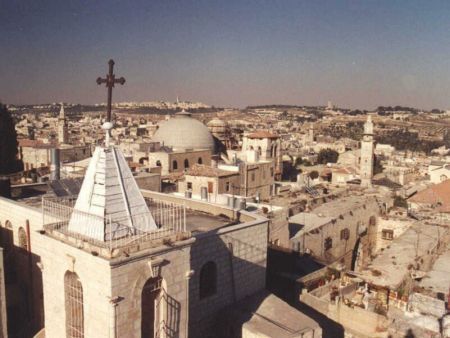
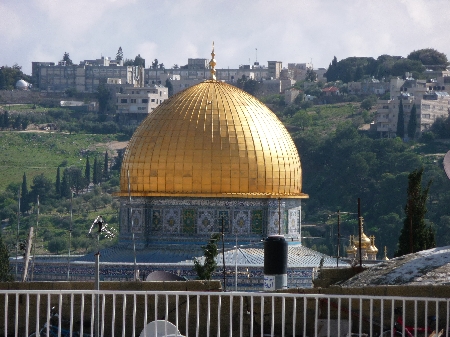
La Ciudad Vieja de Jerusalén fue declarada Patrimonio de la Humanidad por la Unesco en 1981.
Description above from the Wikipedia, licensed under CC-BY-SA full list of contributors
here.